
Delving into the realm of preparing for roofing and siding installations near you, this guide sets the stage for a comprehensive journey filled with valuable insights and practical tips. Get ready to explore the intricacies of home improvement like never before.
Providing detailed information on researching companies, understanding materials, budgeting, preparation, installation processes, and post-installation maintenance, this guide equips homeowners with the knowledge needed to navigate the world of roofing and siding projects successfully.
Researching Roofing and Siding Companies Near Me
When preparing for roofing and siding installations, it is crucial to research and find reputable companies in your local area. This process involves comparing reviews, ratings, and services offered by different companies to ensure you make an informed decision.Find Local Roofing and Siding Companies
- Start by searching online or asking for recommendations from friends, family, or neighbors.
- Visit the websites of local companies to learn more about their services and expertise.
Compare Reviews and Ratings
- Check online review platforms and social media for feedback from previous customers.
- Look for companies with high ratings and positive reviews to ensure quality workmanship.
Identify Services Offered
- Make a list of the services offered by each company, such as roof repairs, siding installations, or maintenance.
- Choose a company that provides comprehensive services to meet all your roofing and siding needs.
Understanding Roofing and Siding Materials
When it comes to roofing and siding materials, there are several options to choose from, each with its own set of advantages and disadvantages. Understanding the differences between them can help you make an informed decision for your home.Roofing Materials
- Asphalt: Asphalt shingles are popular due to their affordability and ease of installation. However, they may not be as durable as other materials and may require more frequent maintenance.
- Metal: Metal roofs are known for their longevity and durability. They are also energy-efficient and environmentally friendly. However, they can be more expensive upfront.
- Wood: Wood shingles or shakes give a natural and rustic look to a home. They are environmentally friendly and can last a long time with proper maintenance. However, they are prone to rot and may be a fire hazard.
Siding Materials
- Vinyl: Vinyl siding is one of the most popular choices for homeowners due to its low cost and low maintenance requirements. However, it may not be as durable as other materials and can crack or fade over time.
- Wood: Wood siding provides a classic and timeless look to a home. It is also environmentally friendly and can be painted or stained to match your preferences. However, it requires regular maintenance to prevent rot and decay.
- Fiber Cement: Fiber cement siding is a durable and low-maintenance option that mimics the look of wood or stucco. It is resistant to rot, fire, and insects, making it a popular choice for many homeowners. However, it can be more expensive than other siding materials.
Budgeting for Roofing and Siding Installations
When preparing for roofing and siding installations, one crucial aspect to consider is budgeting. Calculating the estimated costs, determining a budget based on your financial capacity, and exploring financing options if needed are essential steps to ensure a successful project.Calculate the Estimated Costs
Before starting a roofing or siding project, it is vital to calculate the estimated costs involved. Factors such as the size of the project, materials needed, labor costs, and any additional services required should be taken into account. Obtaining quotes from multiple contractors can help in getting a realistic estimate of the total expenses.Determine a Budget
Based on the estimated costs, it is important to determine a budget that aligns with your financial capacity. Assessing your current financial situation and setting a realistic budget will help in avoiding overspending and financial strain. It is advisable to set aside a contingency fund for any unexpected expenses that may arise during the project.Explore Financing Options
If the estimated costs exceed your budget, exploring financing options can be a viable solution. Many roofing and siding companies offer financing plans to help homeowners manage the expenses of their projects. It is essential to research and compare different financing options to find the one that best suits your needs and financial situation.Preparing Your Home for Roofing and Siding Installations
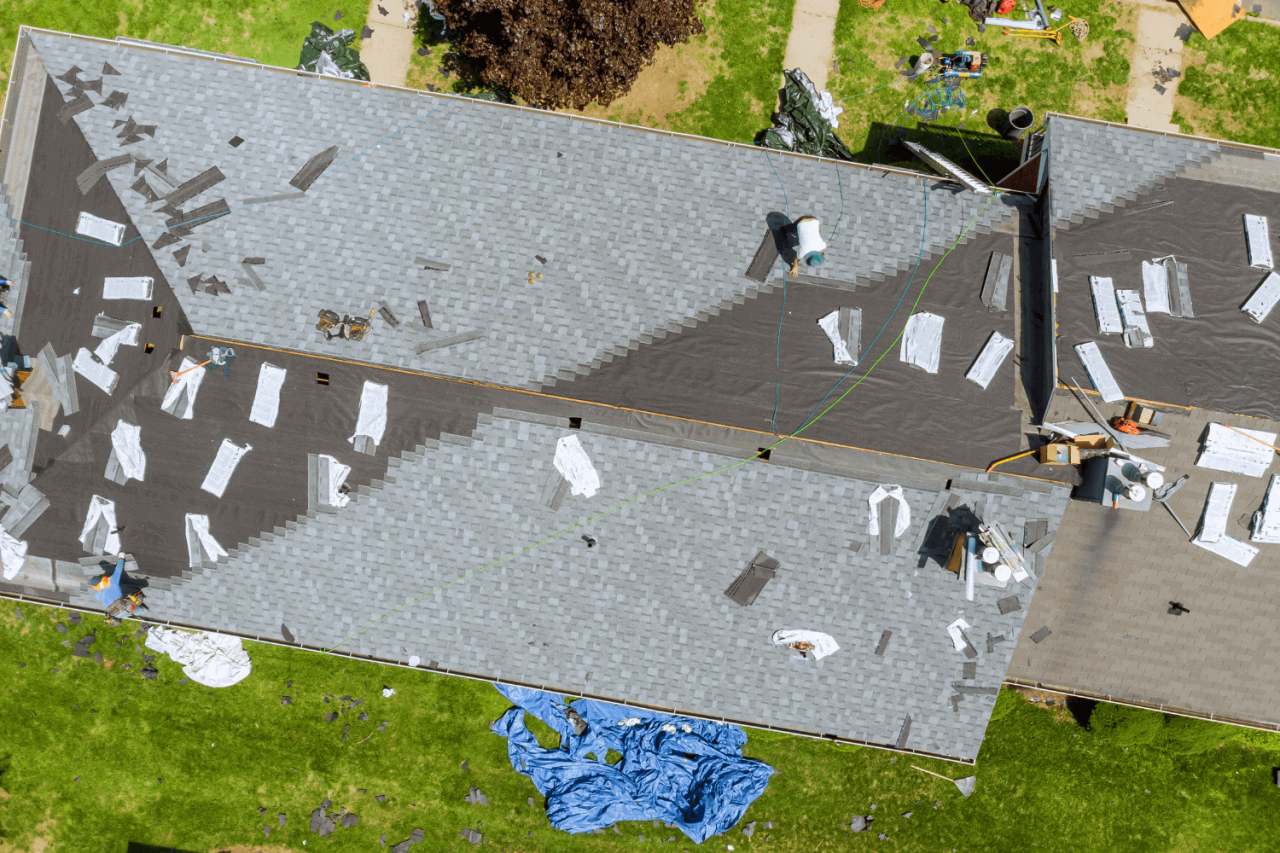
When getting ready for roofing and siding installations, it's essential to prepare your home properly to ensure a smooth process and protect your property.
Clearing any obstacles around your house for easy access
Before the installation team arrives, make sure to remove any obstacles such as outdoor furniture, toys, or tools that may hinder their access to the work area. This will help them work efficiently and safely
Protecting your landscaping during the installation process
Discuss with the installation team the necessary steps to protect your landscaping during the installation process. This may include covering delicate plants, bushes, or trees to prevent any damage from debris or equipment.
Discussing any specific requirements with the installation team
Communicate openly with the installation team about any specific requirements you may have for the project. Whether it's regarding noise levels, work hours, or any other concerns, addressing them upfront will help ensure a successful and satisfactory installation experience.
Understanding the Roofing and Siding Installation Process
When it comes to roofing and siding installations, understanding the process is crucial to ensure a successful outcome. From the steps involved in roofing installation to the timeline for siding installation, being familiar with the process can help you prepare adequately for the project.Steps Involved in Roofing Installation
- Roof Inspection: A thorough inspection of the existing roof to assess any damage or issues that need to be addressed.
- Tear-Off: Removal of the old roofing materials to prepare the roof for the new installation.
- Deck Preparation: Ensuring the roof deck is in good condition and making any necessary repairs or replacements.
- Underlayment Installation: Adding a waterproof layer beneath the shingles to protect against moisture.
- Shingle Installation: Installing the new shingles according to manufacturer guidelines for proper sealing and durability.
- Flashing and Ventilation: Adding flashing around roof penetrations and ensuring proper ventilation for the attic space.
- Final Inspection: A final inspection to check for any remaining issues and ensure the roof is installed correctly.
Timeline for Siding Installation
- Preparation: Clearing the area around the house and ensuring proper access for the siding installation crew.
- Siding Removal: Removing the old siding materials and inspecting the wall structure for any damage.
- Repair and Preparation: Making any necessary repairs to the wall structure and adding insulation or moisture barriers as needed.
- Siding Installation: Installing the new siding materials according to manufacturer instructions for proper fit and durability.
- Finishing Touches: Adding trim, caulking, and paint to complete the siding installation and enhance the overall look of the house.
Potential Challenges During the Installation Process
- Weather Delays: Unforeseen weather conditions such as rain or high winds can delay the installation process.
- Material Shortages: Delays in receiving materials can impact the timeline of the project.
- Structural Issues: Discovering unexpected structural problems during the installation process may require additional repairs and time.
- Coordination: Ensuring proper coordination between the roofing and siding crews to avoid conflicts and delays.
- Permitting and Inspections: Obtaining necessary permits and scheduling inspections can add time to the overall installation process.
Maintaining Your Roof and Siding After Installation
Maintaining your roof and siding is crucial to ensure they remain in good condition and last for years to come. Regular inspections and addressing any issues promptly can help prevent costly repairs down the line.Tips for Maintaining Your Roof and Siding
- Regularly clean debris such as leaves and branches off your roof and siding to prevent mold and mildew growth.
- Trim overhanging branches to prevent damage from falling limbs.
- Inspect your roof and siding for any signs of damage, such as loose or missing shingles, cracks, or warping.
- Check for leaks in your roof and signs of water damage on your siding.
- Consider applying a protective coating to your roof and siding to extend their lifespan.
Importance of Regular Inspections
Regular inspections of your roof and siding can help you catch any issues early on before they escalate into larger problems. By identifying and addressing minor damage promptly, you can prevent more extensive and costly repairs in the future.Common Issues and How to Address Them
- Leaky roof: If you notice a leak in your roof, locate the source of the leak and repair it immediately to prevent water damage to your home's interior.
- Mold or mildew on siding: Clean mold or mildew off your siding with a mixture of water and mild detergent, and consider applying a mold-resistant treatment.
- Loose or missing shingles: Replace any loose or missing shingles to maintain the integrity of your roof and prevent water infiltration.
- Warped siding: Warped siding can be caused by moisture or sun exposure. Replace warped siding to maintain your home's curb appeal and protect it from the elements.
Final Wrap-Up
As we conclude this guide, remember that proper preparation and understanding are key to ensuring a smooth roofing and siding installation experience. By following the steps Artikeld here, you'll be well-equipped to make informed decisions and maintain your home's exterior for years to come.
FAQ Compilation
What are the common types of roofing materials used in installations?
Common types include asphalt, metal, wood, and tile. Each material has its own advantages and suitability based on factors like climate and style preferences.
How can I protect my landscaping during roofing and siding installations?
You can protect your landscaping by covering plants, moving fragile items away from the work area, and communicating with the installation team to establish boundaries.
What financing options are typically available for roofing and siding projects?
Financing options may include personal loans, home equity loans, or financing plans offered by the installation companies. It's essential to explore these options and choose the one that best fits your financial situation.
How often should I schedule inspections for my roof and siding post-installation?
Regular inspections every 6 months to a year are recommended to catch any issues early and ensure the longevity of your roof and siding. Professional inspections can also help identify hidden problems.