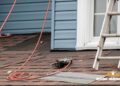

Regularly cleaning your siding and gutters can make a significant difference in preventing water damage to your property. Let's delve into the importance of this maintenance task and how it can save you from costly repairs down the line.
Importance of Regular Cleaning
Regular cleaning of your siding and gutters is crucial in preventing water damage to your home. Over time, dirt, debris, and leaves can accumulate on these surfaces, leading to blockages and water buildup. If left unaddressed, this can result in a range of water-related issues that can be both costly and damaging to your property.Examples of Neglecting Cleaning
- Clogged gutters can cause water to overflow, leading to water seeping into your home's foundation, causing cracks and structural damage.
- Dirty siding can trap moisture against the walls, promoting mold and mildew growth, which can be harmful to your health and require expensive remediation.
- Leaves and debris blocking gutters can create ice dams in winter, causing water to back up under the roof shingles and into your home, resulting in water damage to ceilings and walls.
Potential Cost Implications
Regularly cleaning your siding and gutters may seem like a simple maintenance task, but the cost of neglecting it can add up quickly. Water damage repairs can be quite expensive, ranging from fixing structural issues to addressing mold infestations. By investing in routine cleaning, you can save yourself from costly repairs down the line and ensure the longevity of your home.Impact of Water Damage
 Water damage can have a significant impact on the structural integrity of a building, leading to costly repairs and potential safety hazards. When siding and gutters are not cleaned regularly, water can seep into various areas of the property, causing extensive damage over time.
Areas Affected by Water Damage
- Foundation: Accumulated water from clogged gutters can seep into the foundation, causing cracks and weakening the overall structure of the building.
- Roof: Overflowing gutters can lead to water pooling on the roof, leading to leaks and potential roof damage.
- Walls: Dirty siding can trap moisture, leading to mold growth and deterioration of the walls.
- Basement: Improper drainage from clogged gutters can result in water seeping into the basement, causing flooding and damage to belongings.
Consequences of Water Damage
According to the Insurance Information Institute, water damage is the second most common type of home insurance claim.
- Structural Decay: Water damage can compromise the structural integrity of a building, leading to sagging floors, warped walls, and compromised stability.
- Mold Growth: Excess moisture from water damage can create an environment conducive to mold growth, posing health risks to occupants.
- Financial Burden: Repairing water damage can be expensive, with costs ranging from thousands to tens of thousands of dollars depending on the extent of the damage.
Benefits of Clean Siding and Gutters
Regular cleaning of siding and gutters offers numerous advantages in preventing water damage and maintaining the overall integrity of a property.Preventing Water Damage
- Clear gutters allow for proper drainage, preventing water from pooling and seeping into the foundation of the property.
- Clean siding helps to protect the exterior walls from water infiltration, reducing the risk of mold and mildew growth.
Comparison of Property Conditions
Regularly maintained siding and gutters result in a property that looks well-cared for and attractiveContribution to Property Aesthetics
- Clean siding enhances the curb appeal of a property, making it more visually appealing to residents and visitors alike.
- Well-maintained gutters help to preserve the overall aesthetic of a property by preventing water stains and damage to the exterior.
Maintenance Techniques
Regular cleaning of siding and gutters is essential to prevent water damage and maintain the structural integrity of your home. Here are some effective methods for cleaning siding and gutters, along with a step-by-step guide on how to safely and efficiently clean these areas to ensure optimal functionality.Cleaning Siding
When cleaning siding, it is important to start by removing any debris such as leaves, dirt, and cobwebs. Use a soft-bristled brush or a pressure washer on a low setting to gently scrub the siding and remove dirt buildup. For stubborn stains, consider using a mixture of mild detergent and water to clean the surface thoroughly.
Cleaning Gutters
Cleaning gutters involves removing leaves, twigs, and other debris that may be blocking the flow of water. Start by using a ladder to access the gutters safely. Scoop out the debris by hand or use a gutter scoop tool for easier cleaning. Once the gutters are clear, use a hose to flush out any remaining debris and ensure proper drainage.
Frequency of Cleaning
It is recommended to clean both siding and gutters at least twice a year, ideally in the spring and fall. However, if you live in an area with heavy rainfall or surrounded by trees, more frequent cleaning may be necessary to prevent clogs and water damage. Regular maintenance will help prolong the lifespan of your siding and gutters, saving you from costly repairs in the long run.
Ultimate Conclusion
In conclusion, ensuring the cleanliness of your siding and gutters is not just about aesthetics but also about protecting your property from water damage. By staying proactive with maintenance, you can avoid potential structural issues and maintain the overall appeal of your home.
Question & Answer Hub
How often should I clean my siding and gutters?
It's recommended to clean them at least twice a year, ideally in spring and fall, to ensure optimal functionality.
What tools do I need to clean my siding and gutters effectively?
You may need a pressure washer, a ladder, a scrub brush, and cleaning solution to efficiently clean these areas.
Can neglecting siding and gutter cleaning lead to structural damage?
Yes, neglecting cleaning can result in water seepage, rot, and even mold growth, all of which can compromise the structural integrity of your property.