
Embarking on the journey of determining whether your home requires complete siding and gutters replacement unveils a multitude of crucial factors to consider. From signs of deterioration to the impact on structural integrity, this guide delves deep into the nuances of this essential home improvement task.
As we explore the various indicators and implications associated with siding and gutters replacement, you will gain valuable insights that can help you make informed decisions about maintaining the integrity and efficiency of your home.
Signs of Deterioration
When it comes to determining whether your home needs complete siding and gutter replacement, it's important to be aware of the signs of deterioration that may be present. These signs can vary from visible damage to more subtle indicators that something is amiss.Visible Signs on Siding:
- Peeling paint: If you notice paint peeling off your siding, it could be a sign that the material underneath is deteriorating and needs to be replaced.
- Cracks: Cracks in the siding can allow moisture to seep in, causing further damage over time. These cracks are a clear indication that the siding is no longer providing adequate protection.
- Rust: For metal siding, rust is a major red flag that the material is deteriorating and may need to be replaced to prevent further damage.
Visible Signs on Gutters:
- Mold and mildew: If you see mold or mildew growing on or around your gutters, it's a clear sign that there is excess moisture present, which can lead to further issues if not addressed.
- Moisture damage: Stains on the exterior walls of your home near the gutters can indicate that water is not being properly diverted away from the house, potentially causing structural damage over time.
Structural Integrity
Ensuring the structural integrity of your home is crucial for its longevity and safety. Siding and gutters play a vital role in maintaining the structural stability of a house.
Impact of Damaged Siding and Gutters
- Leaking gutters can result in water seeping into the foundation of your home, causing cracks and weakening the foundation over time.
- Cracked or missing siding can expose the underlying structure to moisture, leading to rot, mold, and potential structural damage.
- Improperly functioning gutters can cause water to overflow and pool around the foundation, eventually compromising the stability of the entire house.
Age and Maintenance
When it comes to determining if your home needs complete siding and gutters replacement, considering the age and maintenance of these components is crucial. This can give you valuable insights into the overall condition and potential lifespan of your siding and gutters.
Role of Age in Replacement Needs
The age of your siding and gutters can be a significant factor in determining whether they need to be replaced. Over time, exposure to the elements can cause wear and tear, leading to deterioration and reduced functionality. Older materials may also be more prone to damage and may not provide the same level of protection as newer options.
Importance of Regular Maintenance
Regular maintenance plays a key role in prolonging the lifespan of your siding and gutters
Assessing Age and Maintenance History
- Check the records: Review any documentation or records related to the installation and maintenance of your siding and gutters to determine their age and upkeep history.
- Visual inspection: Look for signs of wear, discoloration, rust, or damage on the siding and gutters to assess their condition and potential need for replacement.
- Consult a professional: If you're unsure about the age or maintenance needs of your siding and gutters, consider seeking the expertise of a professional contractor for an assessment.
Energy Efficiency
Damaged siding or gutters can significantly impact the energy efficiency of a home. When these components are deteriorating, it can lead to air leaks and poor insulation, causing heat or cool air to escape more easily from the house. This can result in higher energy bills as the HVAC system works harder to maintain a comfortable temperature inside the home.Impact of Damaged Components on Energy Efficiency
- Poor insulation due to damaged siding or gutters can lead to air leaks, allowing heat or cool air to escape.
- Air leaks can result in the HVAC system working overtime to maintain the desired temperature, leading to increased energy consumption.
- Properly functioning siding and gutters help regulate the temperature inside the home, reducing the need for excessive heating or cooling.
Wrap-Up
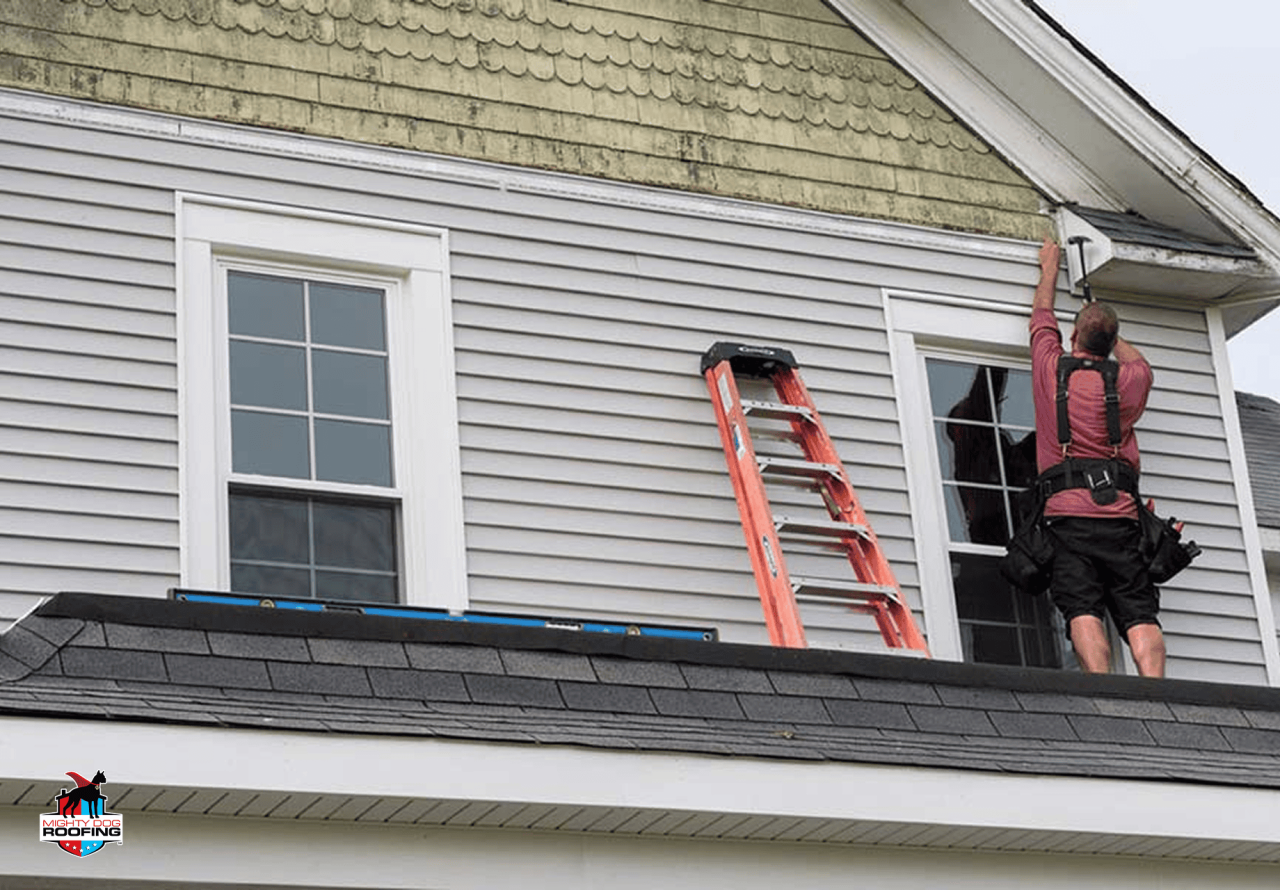
In conclusion, understanding the signs that point towards the necessity of complete siding and gutters replacement is pivotal in ensuring the longevity and functionality of your home. By addressing these issues promptly, you can enhance the overall quality and energy efficiency of your living space, creating a safe and comfortable environment for you and your family.
FAQ Guide
What are some visible signs of deterioration to look out for?
Signs of deterioration include peeling paint, cracks, rust, mold, mildew, and moisture damage on siding and gutters.
How does the age of siding and gutters impact the need for replacement?
The age of siding and gutters can determine the need for replacement as older components are more prone to deterioration and may not function optimally.
What role does regular maintenance play in prolonging the lifespan of siding and gutters?
Regular maintenance helps in identifying issues early, preventing extensive damage, and ensuring the longevity of siding and gutters.
How can damaged siding or gutters affect the energy efficiency of a home?
Damaged components can lead to air leaks, poor insulation, and increased energy bills, affecting the overall energy efficiency of a home.